

Eruptive xanthomas
Eruptive xanthomatosis · Type I / V dyslipidaemia eruption
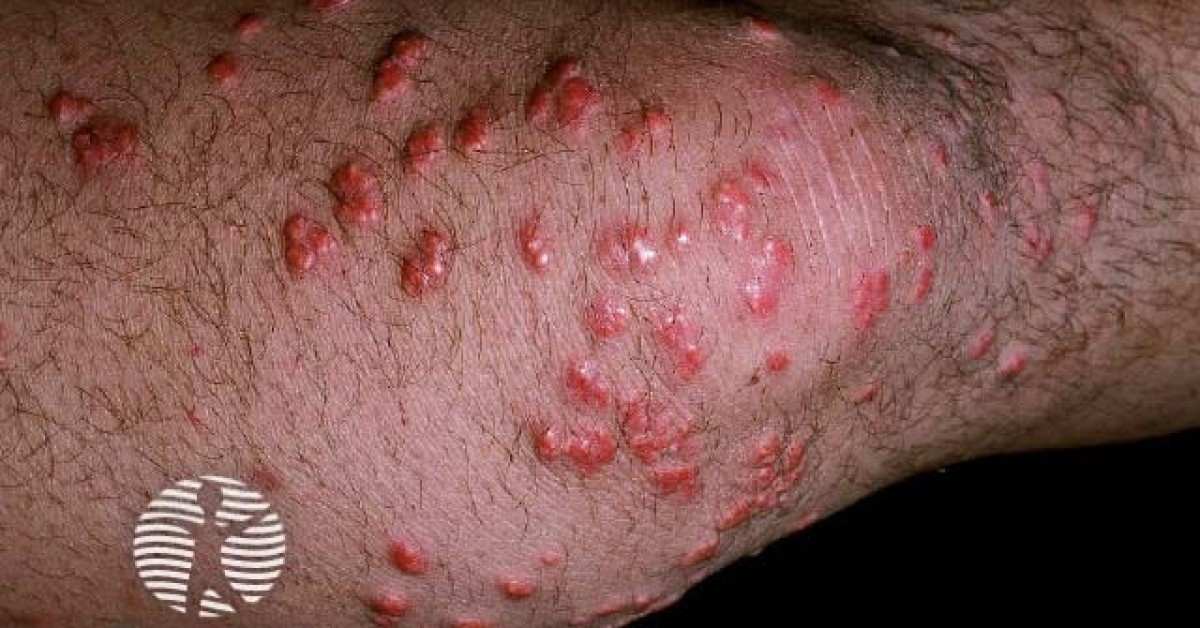
Eruptive xanthomas are abrupt-onset crops of small yellow-red papules over extensor surfaces (buttocks, elbows, knees), pathognomonic of severe hypertriglyceridaemia (typically >11 mmol/L / 1000 mg/dL). They reflect chylomicron / VLDL remnant accumulation in macrophages of the dermis. Identification is urgent because these patients are at high risk of acute pancreatitis. Underlying causes include primary familial hypertriglyceridaemia (Type I, V), uncontrolled diabetes mellitus, alcohol excess, oestrogen / OCP, retinoid therapy, ICI-related metabolic dysregulation and HIV antiretroviral lipodystrophy.
Pathogenesis
- Chylomicron / VLDL accumulation in dermal macrophages — sudden lipid efflux into skin.
- Serum triglycerides typically >11 mmol/L (1000 mg/dL); often >22 mmol/L (2000 mg/dL).
- Causes:
- Familial dyslipidaemia (Type I lipoprotein lipase deficiency, Type V mixed hyperlipoproteinaemia, apolipoprotein C-II deficiency, Type IV).
- Uncontrolled diabetes mellitus.
- Alcohol excess.
- Oestrogens, OCP, tamoxifen.
- Retinoids (isotretinoin, acitretin, bexarotene).
- Antiretrovirals (protease inhibitors).
- Hypothyroidism, nephrotic syndrome.
Clinical features
- Abrupt-onset crops of 1-4 mm yellow-pink papules with erythematous halo.
- Sites: buttocks, extensor elbows, knees, dorsum hands, thighs.
- Asymptomatic or mildly pruritic.
- Resolve over weeks with treatment of hypertriglyceridaemia.
- Patients may present with associated lipaemia retinalis, hepatosplenomegaly, abdominal pain (early pancreatitis), neuropathy.
Differentials
- Other xanthomas: tuberous (chronic familial hypercholesterolaemia), plane (PBC, Type III), tendinous, eruptive — overlap with mixed lipid pictures.
- Granuloma annulare (papular).
- Disseminated xanthosiderohistiocytosis.
- Eruptive lichen planus, sarcoidosis, GA, Sweet.
- Histiocytic disorders: juvenile xanthogranuloma, generalised eruptive histiocytosis, multicentric reticulohistiocytosis.
Investigations
- Fasting lipid profile with chylomicron / VLDL fractions; if >11 mmol/L → pancreatitis risk.
- Lipoprotein lipase activity / apolipoprotein C-II assay if Type I / V suspected.
- Glucose, HbA1c, LFT (alcohol), TFT, urinalysis (nephrotic).
- Amylase / lipase, abdominal imaging if abdominal pain.
- Drug history review.
- Skin biopsy if atypical: foamy macrophages, lipid clefts; non-specific.
Management
- Urgent: address severe hypertriglyceridaemia to prevent pancreatitis:
- Strict low-fat diet, alcohol cessation.
- Fibrate (fenofibrate); omega-3 fatty acids (Lovaza, icosapent ethyl).
- Statin (modest TG effect).
- Insulin infusion / plasmapheresis in extreme cases (TG >50 mmol/L or active pancreatitis).
- Treat underlying cause (diabetes, hypothyroidism, withdraw culprit drug).
- Specialist lipid clinic referral.
- Cutaneous lesions resolve over 2-3 months once TG normalised.
- Genetic counselling for familial dyslipidaemia.
References
- Parker F. Xanthomas and hyperlipidemias. J Am Acad Dermatol. 1985;13:1-30.
- Toth PP. Triglyceride-rich lipoproteins as a causal factor for cardiovascular disease. Vasc Health Risk Manag. 2016;12:171-183.
- Hegele RA. Plasma lipoproteins: genetic influences and clinical implications. Nat Rev Genet. 2009;10:109-121.
- NICE NG238. Cardiovascular disease: risk assessment and reduction, including lipid modification. London: NICE; 2023 (replaced CG181; last reviewed 2 September 2025).
Spot a correction?
If any clinical statement, citation or link on this page needs updating, please email admin@skinoncology.net with the page name, the proposed correction and the supporting source.