

Pediculosis (head, body, pubic)
Lice infestation · pediculus humanus capitis / corporis / Pthirus pubis · crabs (pubic)
Pediculosis is infestation with one of three obligate ectoparasitic lice — Pediculus humanus capitis (head), Pediculus humanus corporis (body) and Pthirus pubis (pubic / "crab"). Head-lice are the commonest UK paediatric ectoparasitosis; body-lice predominate in homeless / crowded populations and can vector louse-borne typhus, relapsing fever and Bartonella; pubic-lice are an STI marker. Detection-comb-based diagnosis and wet-combing are first-line management per NICE CKS; topical dimeticone / malathion / permethrin remain pharmacologic mainstays.
Biology
- Pediculus humanus capitis — head louse; transmitted by direct hair-to-hair contact; UK paediatric peak 3-12 years; female > male; no relation to hygiene.
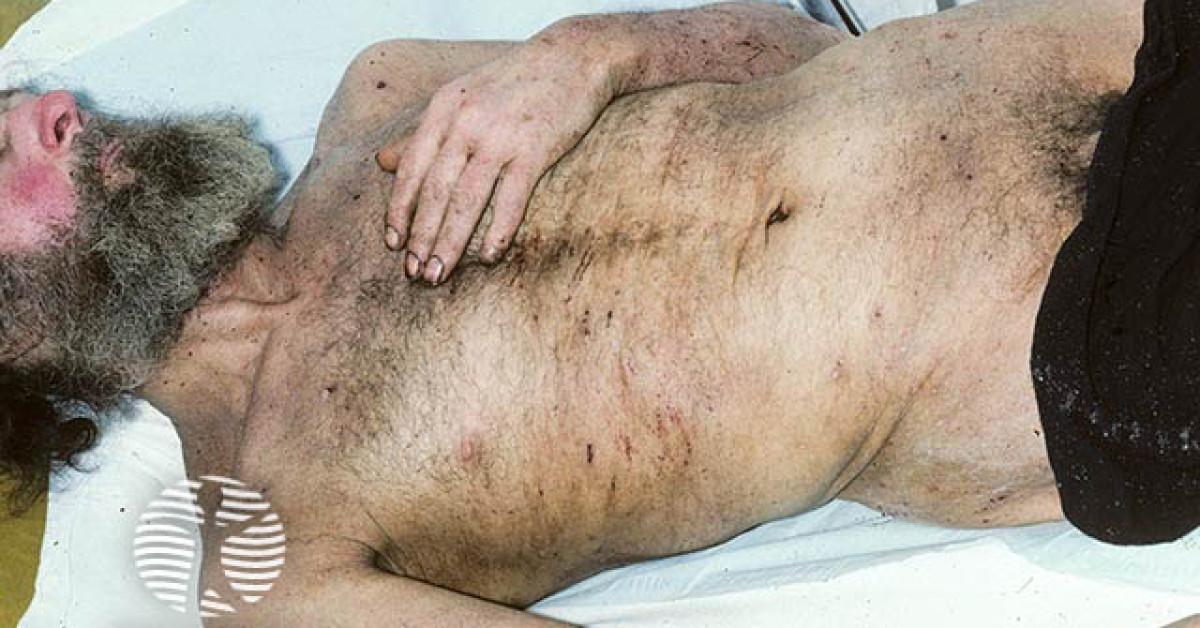
- Pediculus humanus corporis — body louse; lives on clothing seams; transmitted via clothing / bedding; vector for Rickettsia prowazekii (typhus), Borrelia recurrentis (relapsing fever), Bartonella quintana (trench fever).
- Pthirus pubis — pubic / crab louse; sexually transmitted; nits at base of pubic hair; can also affect eyelashes (phthiriasis palpebrarum), axillary, beard, chest hair.
- Lifecycle: egg (nit) → 3 nymph stages → adult (~30 days).
Clinical features
- Head lice:
- Itch (delayed 2-6 weeks after first infestation).
- Nape / post-auricular excoriation; "maculae caeruleae" — bluish bite marks.
- Live lice on detection comb (gold standard diagnosis).
- Nits firmly attached to hair shaft; differentiates from dandruff.
- Body lice:
- Generalised itch with linear excoriations on trunk, axillae.
- Lice and nits found in clothing seams (not skin).
- Risk to vagrants, refugees, war / disaster zones.
- Vector for typhus, relapsing fever, trench fever.
- Pubic lice:
- Pruritus of pubic region.
- Lice and nits at hair-shaft bases.
- Macuale caeruleae bite marks on inner thighs / lower abdomen.
- Eyelash (phthiriasis palpebrarum) — particularly in children (may indicate sexual abuse).
- STI marker — screen for other STIs.
Differentials
- Scabies — burrows, web spaces, generalised itch.
- Seborrhoeic dermatitis, dandruff — flakes not attached to hair shaft.
- Hair shaft anomalies: trichorrhexis nodosa, pili torti, white piedra.
- Atopic / contact dermatitis.
- Insect bites, papular urticaria.
- Folliculitis.
Investigations
- Detection combing: nit-comb through wet conditioned hair; visualise live lice on white paper.
- Dermoscopy of scalp — distinguishes nits / lice from artefacts.
- Lice / nits identified in clothing seams (body louse).
- Pubic louse — examination of pubic hair; STI screen.
- If body louse + fever / petechiae — consider typhus / relapsing fever / Bartonella; bloods, blood film, PCR, serology.
- Eyelash phthiriasis in child — safeguarding referral.
Management (NICE CKS)
- Head lice:
- Wet combing every 3-4 days for 2 weeks with conditioner ("Bug Buster" approach).
- Topical pediculicide:
- Dimeticone 4% lotion (Hedrin) — applied 8-12 h or overnight; repeat at day 7-9.
- Malathion 0.5% liquid — repeat at day 7-9.
- Permethrin 1% creme rinse — alternative.
- Treat the whole household if multiple cases.
- Check school close contacts.
- Body lice:
- Hot wash (≥60°C) all clothing / bedding; iron / tumble dry on high.
- Permethrin 1% to skin once.
- Treat overcrowding / hygiene access.
- Public-health notification if outbreak.
- Pubic lice:
- Permethrin 1% cream rinse or malathion 0.5% lotion — apply and repeat after 7 days.
- Treat sexual partners.
- STI screen.
- Eyelash: white petroleum jelly TDS × 7-10 days; manual removal of nits.
- Oral ivermectin: 200 µg/kg × 2 doses 7-10 days apart — for refractory disease, treatment failure, or institutional outbreak.
- Counsel about post-treatment itch persisting 1-2 weeks despite successful eradication.
References
- NICE CKS. Head lice. London: NICE; accessed 18 May 2026.
- Salavastru CM et al. European guideline for the management of pediculosis pubis. J Eur Acad Dermatol Venereol. 2017;31:1425-1428.
- Mumcuoglu KY et al. International recommendations for an effective control of head louse infestations. Int J Dermatol. 2007;46:153-159.
- Brouqui P. Arthropod-borne diseases associated with political and social disorder. Annu Rev Entomol. 2011;56:357-374.
Spot a correction?
If any clinical statement, citation or link on this page needs updating, please email admin@skinoncology.net with the page name, the proposed correction and the supporting source.