

Kaposi sarcoma
KS
Kaposi sarcoma is an HHV-8 (Kaposi sarcoma-associated herpesvirus, KSHV) driven angioproliferative tumour with four clinical variants. UK practice is dominated by AIDS-related and iatrogenic forms; classical and endemic types are uncommon. Multi-disciplinary management with HIV / transplant input is essential.
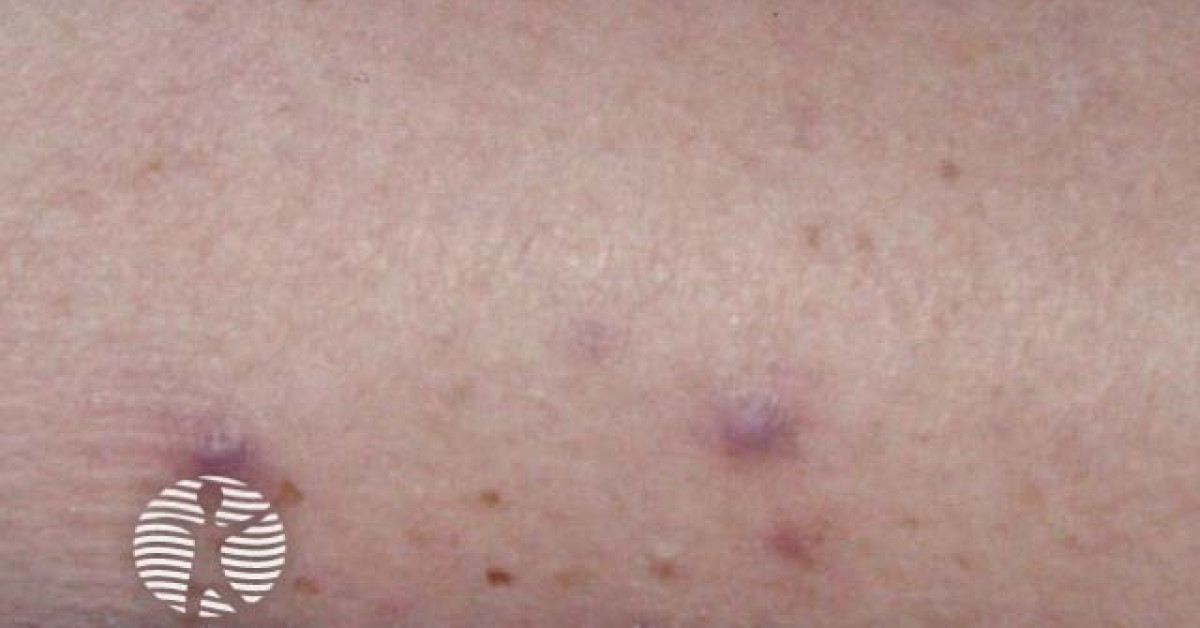
Clinical variants
Classical KS
Older men of Mediterranean, Middle Eastern or Eastern European descent. Indolent, lower-limb predominant; rarely fatal.
Endemic (African) KS
Sub-Saharan African populations — adults (cutaneous, lymphadenopathic) and children (lymphadenopathic, often fatal).
Iatrogenic KS
Solid organ transplant recipients (especially Mediterranean / Middle Eastern donors or recipients) and patients on long-term immunosuppression for autoimmune disease. Can regress on immunosuppression reduction.
AIDS-related KS
Defining illness for AIDS in untreated HIV. Aggressive, multi-system disease — skin, mucosal, lymph node, lung, GI tract. Antiretroviral therapy dramatically reduces incidence and improves outcomes.
Diagnosis
Skin biopsy: spindle cell proliferation forming slit-like vascular channels with extravasated red cells, hemosiderin and plasma cells. Immunohistochemistry: HHV-8 LANA (latency-associated nuclear antigen) positive (sensitivity and specificity > 95%); CD31, CD34, ERG positive; D2-40 (podoplanin) positive.
HIV testing mandatory at diagnosis if not already known. CD4 count and viral load if HIV-positive.
Imaging — chest CT for symptomatic patients; OGD/colonoscopy if GI symptoms; bronchoscopy if pulmonary symptoms (KS lesions often visible).
Management
Local / limited cutaneous
- Surgical excision for solitary lesions.
- Cryotherapy, intralesional vinblastine, electrochemotherapy.
- Localised radiotherapy — effective and well-tolerated.
- Topical alitretinoin (where commissioned).
AIDS-related
- Optimise antiretroviral therapy — single most important intervention.
- Liposomal doxorubicin first-line for advanced or symptomatic disease.
- Paclitaxel second-line.
- Immune reconstitution inflammatory syndrome (IRIS) — transient KS flare on starting ART; do not stop ART.
Iatrogenic
- Reduce immunosuppression where possible.
- Convert calcineurin inhibitor (tacrolimus / ciclosporin) to an mTOR inhibitor (sirolimus, everolimus) — frequently induces regression.
- Cytotoxic therapy if disease persists or progresses.
A purplish, slightly indurated plaque on the lower limb of an older man of Mediterranean origin is classical KS until proven otherwise — biopsy is diagnostic.
Follow-up
- Multidisciplinary review with HIV / transplant team.
- Skin and mucosal examination 3–6 monthly.
- Surveillance for second primary malignancies in immunosuppressed patients.
References
- Cesarman E et al. Kaposi sarcoma. Nat Rev Dis Primers; 2019;5:9.
- Reid E et al. UK guidelines for the management of HIV-associated malignancies (BHIVA). 2014, updated.
- Lebbe C et al. Diagnosis and treatment of Kaposi's sarcoma: European consensus-based interdisciplinary guideline (EDF/EADO/EORTC). Eur J Cancer; 2019;114:117–27.
Spot a correction?
If any clinical statement, citation or link on this page needs updating, please email admin@skinoncology.net with the page name, the proposed correction and the supporting source.